Description
// WHAT_IS_TB-500
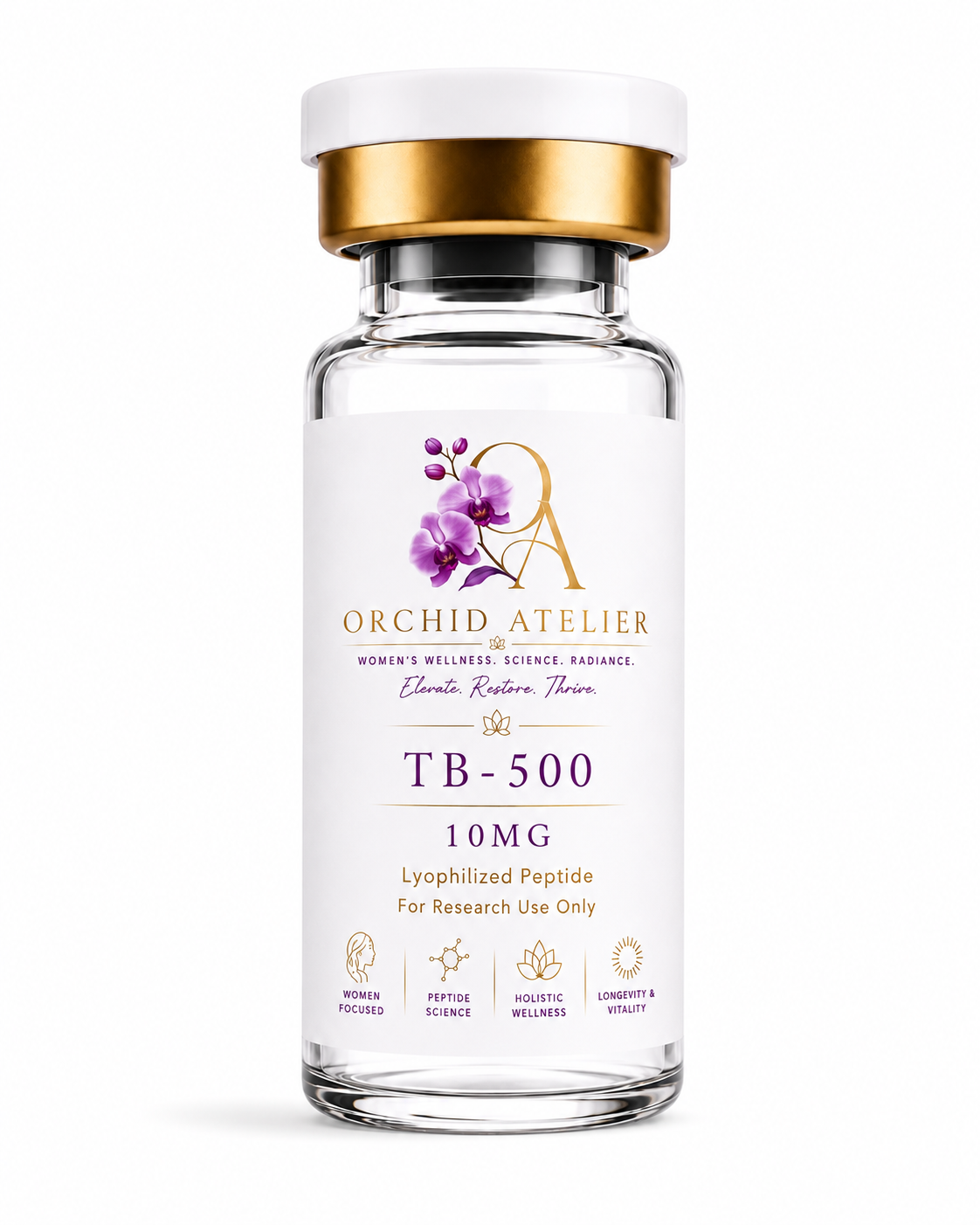
TB-500 is a synthetic analogue of Thymosin Beta-4 (Tβ4) — specifically the actin-binding domain fragment (Ac-SDKP). Thymosin Beta-4 is a naturally occurring 43-amino-acid protein found in virtually all nucleated cells. TB-500 smaller fragment retains the key tissue repair signaling properties studied in the full protein.
// RESEARCH_PATHWAYS
TB-500 research across animal models points to three core repair mechanisms — which is why it frequently appears alongside BPC-157 in recovery-focused research stacks:
- Actin Regulation: Sequesters G-actin monomers — modulates cell migration and tissue remodeling at injury sites
- Angiogenesis: Promotes new blood vessel formation via VEGF upregulation — overlapping mechanism with BPC-157 (additive effect studied in combination protocols)
- Anti-inflammatory Signaling: Downregulates pro-inflammatory cytokines in animal wound and tissue repair models
// RESEARCH_AREAS
- Tendon, ligament, and connective tissue repair models
- Cardiac and vascular tissue research
- Wound healing and dermal repair studies
- Neuroregeneration investigations (early-stage)
- Anti-inflammatory and immune modulation research
// COMMON_PROTOCOLS
Research protocols typically administer TB-500 at 2-2.5mg twice weekly via subcutaneous injection. Often run in combination with BPC-157 for synergistic tissue repair coverage. Loading phase and maintenance phase structures vary by research protocol.
// THE_EVIDENCE_PICTURE
TB-500 / Thymosin Beta-4 has extensive animal evidence across cardiac, tendon, corneal, and neurological tissue models. Human data is limited but growing — particularly in cardiac and wound healing contexts. BPC-157 combination studies are a growing area of preclinical research interest.
// DISCLAIMER
Research use only. Not FDA approved. Not for human consumption. Educational content only — anecdote ≠ evidence.
Reviews
There are no reviews yet.